Floor Stain Removal In Vijayawada: Everything You Need to Know
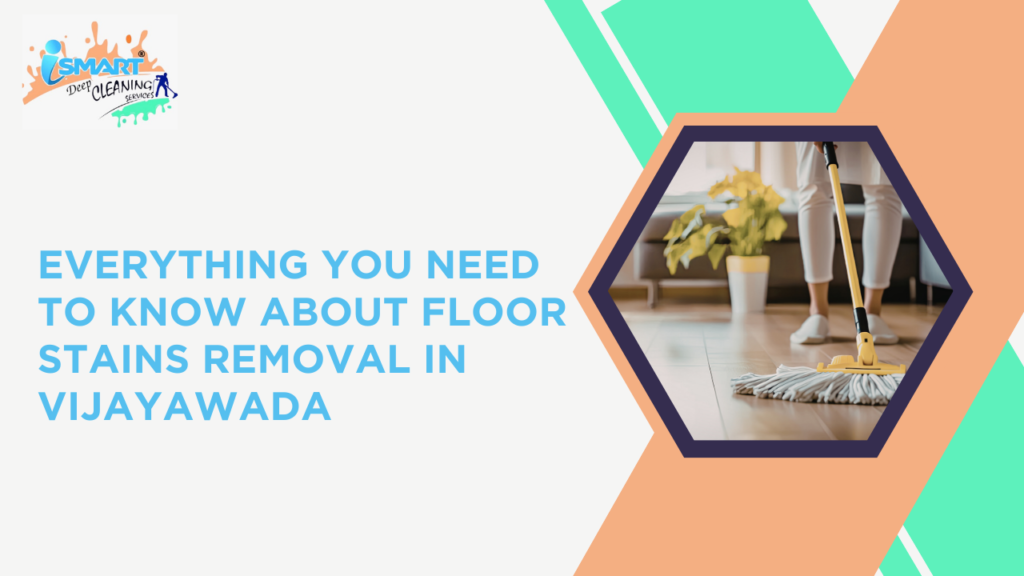
Tiles are a great addition to many homes because they add beauty and give a clean appearance. However, stains can easily form on tiles. These stains may come from spills such as juice, coffee, or tea, dirt from shoes, grease, or food crumbs. When stains stay for a long time, they make the floor look dirty even after regular cleaning. While many homeowners search for professional floor stain removal in Vijayawada, there are also several simple methods you can try at home to remove tile stains easily. 1. Soap and Water The easiest way to remove most stains from tiles is by using warm water mixed with soap. Soak a soft cloth or sponge in soapy water and gently scrub the stained area. Many small stains, such as dirt or juice spills, can be removed quickly using this method. 2. Baking Soda Paste For tougher stains like grease or old food stains, baking soda works very well. Mix baking soda with a small amount of water to create a thick paste. Apply the paste to the stain and let it sit for about 10 to 15 minutes. After that, gently scrub the area in circular motions using a soft cloth or brush. Baking soda is safe for most tiles and helps remove sticky or old stains effectively. 3. Vinegar Solution White vinegar is a powerful natural cleaner. Mix equal parts of water and vinegar in a spray bottle. Spray the solution directly on the stain and leave it for a few minutes. Then wipe it clean with a cloth. Vinegar works especially well for sticky stains caused by food or drinks. 4. Lemon Juice Lemon juice is another natural cleaning solution. It works well on colored stains caused by coffee, juice, or tea. Squeeze fresh lemon juice onto the stain and wait for 5 to 10 minutes. Then gently scrub the area. Lemon also leaves a fresh and pleasant smell after cleaning. 5. Use a Soft Brush Some stains may require a little extra scrubbing. A soft toothbrush or a soft cleaning brush can help remove stubborn stains. Always scrub in small circular motions. Avoid using hard brushes or metal scrubbers because they may scratch the tiles. 6. Hydrogen Peroxide for Dark Stains For mold, mildew, or very dark stains, hydrogen peroxide can be useful. Apply a small amount on the stain and let it sit for about 10 minutes. Then gently scrub and rinse the area. Hydrogen peroxide is strong but safe for tiles when used carefully. 7. Club Soda Club soda works surprisingly well for stains caused by wine, soda, or juice. Pour a small amount directly onto the stain and allow it to fizz for a few minutes. Then wipe it clean with a cloth. This method helps lift stains without heavy scrubbing. 8. Toothpaste Non-gel toothpaste can help remove small stains from tiles. Apply a small amount to the stain and rub gently with a soft cloth. After scrubbing, rinse the area with water. Toothpaste is mild and helps remove marks without damaging the tile surface. 9. Rinse and Dry After cleaning any stain, always rinse the tile with clean water. Then dry the surface with a soft cloth. This prevents water spots and keeps the tiles looking shiny and fresh. 10. Prevent Future Stains Wipe spills immediately. Use coasters, mats, or trays in areas where food and drinks are common. Clean tiles regularly so stains do not build up. Conclusion By using these simple methods, your tiles can stay clean and shiny for a long time. Even stubborn stains can be removed with the right cleaning technique. However, if stains are very old or difficult to remove, professional floor stain removal in Vijayawada services can help restore your floors and keep them looking fresh and spotless.
Room Cleaning in Vijayawada: Which Rooms Need Deep Cleaning?

Maintaining a clean, comfortable, and healthy home requires professional deep cleaning services. Deep cleaning removes hidden dirt, bacteria, grease, and stains from the most frequently used areas of a house, while routine cleaning usually removes only surface dust. Many homeowners are now searching for professional cleaning solutions such as kitchen chimney service near me, bathroom cleaning services, and washroom cleaning services. In cities like Vijayawada, the demand for room cleaning in Vijayawada is also increasing because families want their living spaces to remain hygienic and comfortable. Let us explore why different areas of a home require deep cleaning and why hiring professionals is important. 1. Bathroom Cleaning in Vijayawada The bathroom is one of the most frequently used areas in any home. It is also one of the places where bacteria and germs grow quickly. Regular cleaning is often not enough to remove stains and harmful germs. Professional bathroom cleaning services focus on sanitizing every surface including tiles, sinks, toilets, and shower glass using high-quality cleaning products. What Bathroom Deep Cleaning Includes: Tile and floor cleaning Shower glass cleaning with professional shower glass cleaner Toilet sanitization using specialized toilet cleaners Removal of hard water stains using strong bathroom cleaners Sink polishing Floor disinfection and odor removal Professional bathroom deep cleaning ensures that every corner of the washroom is disinfected using advanced cleaning solutions and professional equipment. 2. Kitchen Cleaning in Vijayawada The kitchen is one of the busiest areas in every home. It collects oil, grease, and food residue over time, making deep cleaning necessary. Hiring professional cleaners ensures that kitchen surfaces remain hygienic and safe for food preparation. One of the most searched services in Vijayawada is kitchen chimney cleaning because chimneys collect grease and smoke particles during cooking. Kitchen Deep Cleaning Includes: Chimney filter cleaning Stove and gas burner cleaning Kitchen slab and tile degreasing Cabinet and storage cleaning Sink and drainage cleaning 3. Toilet and Washroom Deep Cleaning Toilets and washrooms require specialized cleaning products and equipment. Professional toilet cleaning services focus on removing bacteria, stains, and unpleasant odors from toilet bowls, floors, and walls. Toilet and Washroom Cleaning Includes: Toilet bowl cleaning using professional toilet cleaners Hard water stain removal Washroom sanitization Sink and mirror polishing Floor and wall disinfection Many households prefer professional cleaning services to maintain proper hygiene standards in their bathrooms and washrooms. 4. Shower Area Deep Cleaning Shower areas often develop soap scum, water stains, and mold. Professional cleaners use powerful cleaning solutions and the best shower glass cleaners to restore the transparency of shower glass and remove stains effectively. Shower Deep Cleaning Includes: Glass panel cleaning Shower head cleaning Tile scrubbing using strong shower cleaning products 5. Bedroom Deep Cleaning Bedrooms also require deep cleaning to remove dust, allergens, hair, and bacteria that accumulate over time. Cleaning only the floor is not enough because dust often hides in corners, mattresses, and curtains. Professional services offering room cleaning in Vijayawada focus on maintaining a healthy sleeping environment. Bedroom Deep Cleaning Includes: Mattress vacuuming Curtain cleaning Wardrobe cleaning Floor sanitization 6. Balcony and Utility Area Deep Cleaning Balconies often collect dust, bird droppings, and outdoor dirt. Many homeowners ignore this area, but regular cleaning is important because people often spend time relaxing in their balconies. Keeping this space clean helps maintain a healthy living environment. Balcony Cleaning Includes: Floor pressure washing Railing cleaning Conclusion A clean home is essential for a healthy lifestyle. Deep cleaning removes hidden dirt, stains, and bacteria that regular cleaning may miss. Professional services ensure that every area of the home including bathrooms, kitchens, bedrooms, and balconies remains hygienic and fresh. For homeowners who want a spotless and comfortable living space, choosing professional room cleaning in Vijayawada is one of the best ways to maintain cleanliness and protect the health of the entire family.
Everything you need to know about Apartment Cleaning in Vijayawada

Apartment cleaning in Vijayawada is important for every family. A clean home makes people feel happy and relaxed. When the house is tidy and fresh, we can sit, eat, and sleep peacefully. A clean apartment keeps parents, children, and grandparents safe. It protects everyone from dust and germs and helps the family live a healthy and comfortable life. Dust in Vijayawada Vijayawada is a busy city with many cars, bikes, and buses on the roads. Because of this, there is often dust in the air. During summer the weather becomes very hot and the wind carries dust everywhere. When doors and windows are open, dust easily enters the home. It settles on the floor, sofa, tables, and furniture. If we do not clean regularly, the dust keeps building up inside the house. Germs and Illness Dust and dirt can bring germs. Germs are very tiny and we cannot see them with our eyes. However, they can still make people sick. They can cause problems such as fever, cough, or stomach pain. Cleaning the home regularly helps remove these germs. Sweeping floors and wiping surfaces keeps the house healthier for everyone. A Clean Home for Children Children need a clean place to grow and play. Kids often sit and play on the floor. They touch toys, walls, and furniture. If the home is dirty, they can easily fall sick. Parents feel worried when their children are ill. A clean home helps children stay healthy, active, and strong. Safety for Elderly People Older family members also need a clean and safe home. Wet or slippery floors can cause them to slip and fall. Dust can also make breathing difficult for some elderly people. Keeping the house clean helps grandparents stay safe and comfortable. Keeping the Kitchen Clean The kitchen is where we prepare food, so it should always stay clean. If the kitchen becomes dirty, food can become unsafe. Insects such as ants and flies may come near uncovered food. Cleaning the kitchen regularly, washing dishes, and keeping the sink tidy helps prevent bad smells and keeps food safe. Bathroom Cleaning Bathrooms also need regular cleaning. A dirty bathroom can smell unpleasant and allow germs to grow. Cleaning the bathroom often keeps it fresh and hygienic. Keeping the floor dry also helps prevent slips and accidents. Cleaning the Balcony Balconies collect dust, leaves, and dirt very quickly in Vijayawada. Cleaning the balcony regularly helps keep the area neat. It also allows fresh air to enter the home and makes the house feel cooler and more pleasant. Deep Cleaning Along with daily cleaning, deep cleaning is also necessary from time to time. Deep cleaning means cleaning areas that are often missed, such as fans, windows, doors, corners, and spaces under beds or behind cupboards. These places collect hidden dust. Deep cleaning keeps the entire house fresh and spotless. Conclusion Cleaning makes a home look beautiful and welcoming. When guests visit, they feel comfortable in a neat house. The family also feels proud of their home. Most importantly, a clean apartment supports a healthy and safe lifestyle. A clean home truly is a happy home.
10 Hidden Germ Spots in Your Home you Are Ignoring
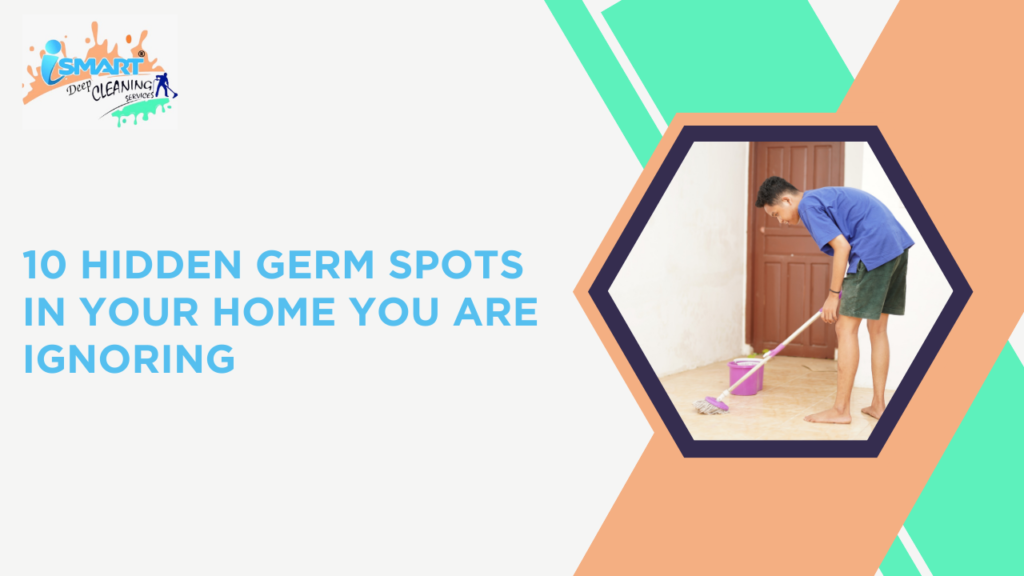
Your home looks clean. But germs are hiding! Your home looks clean. The floor is shiny. The bed is made nicely. The kitchen looks neat, and the bathroom seems fresh. But even when everything looks clean, tiny germs can hide in many small places. You cannot see them because they are very, very small. They live on things you touch every day, like door handles, switches, and even your remote control. These germs can make you sick if you do not clean them properly. In this article, we will show you 10 hidden germ spots in your home that you may be ignoring, so you can keep your family safe and healthy. 1. Light Switches You touch the switch many times every day. Your hands may not be clean. Germs stay on the switch. Wipe it with a clean cloth and spray. 2. Door Handles Everyone touches door handles. Guests touch them too. Germs move from one hand to another. Clean handles often. 3. TV Remote You eat snacks and watch TV. Your hands may be oily. The remote becomes dirty fast. Wipe it with a soft cloth. 4. Mobile Phone You take your phone everywhere. You put it on tables and beds. Germs stick to it. Clean your phone gently every day. 5. Kitchen Sponge The sponge looks small and soft. But it holds water and food bits. Germs love wet places. Change your sponge often. 6. Kitchen Sink Food pieces fall into the sink. Water stays there. This makes germs grow. Wash the sink with soap every night. 7. Bathroom Tap You turn the tap with dirty hands. After washing, you touch it again. Germs stay on the tap. Clean it daily. 8. Pillow Covers Your face and hair touch the pillow. Sweat and oil stay there. Wash pillow covers every week. 9. Toothbrush Holder Water drips into the holder. It stays wet. Germs grow in wet places. Wash and dry it often. 10. Shoes Near the Door Shoes walk on roads and dust. They bring dirt inside. Keep shoes outside or clean the floor daily. Why This Matters Germs can make you sick. They can cause cold, cough, and stomach pain. You may think your home is clean, but hidden spots can still be dirty. Cleaning does not mean only sweeping and mopping. Deep cleaning means cleaning small things too. Use soap and water. Use a clean cloth. Wash your hands often. A clean home is a safe home. When you clean hidden spots, your family stays healthy. Small steps make a big change. Start today. Look around your home. Find these 10 spots. Clean them one by one. Your home will feel fresh and happy.
Deep Cleaning for Indoor Air Quality: Does It Really Help?

We spend a lot of our time indoors, whether at home, in the office, or in other indoor spaces. However, have you ever thought about how clean the air inside really is? Indoor air can hold dust, allergens, bacteria, and many other harmful toxins that can negatively affect your health. This is where deep cleaning for indoor air quality becomes important. Professional deep cleaning services help remove hidden dust, mould, and pollutants that regular cleaning often misses. What Is Deep Cleaning? Deep cleaning involves much more than basic sweeping and mopping. It includes complete cleaning of surfaces, edges, and hidden areas in a home or commercial space. Professionals use specialized tools and products designed to remove dust, dirt, mould, and allergens. This process covers carpets, curtains, vents, ducts, and hard-to-reach areas such as behind appliances and under furniture. Because of this, deep cleaning for indoor air quality helps create a healthier indoor environment. How Deep Cleaning for Indoor Air Quality Works Indoor air can become contaminated by dust mites, pet dander, pollen, mold spores, and bacteria. These particles float in the air and may trigger allergies, asthma, and breathing problems. Fortunately, deep cleaning reduces these pollutants in several ways: 1. Dust and Allergen Removal Vacuuming carpets, upholstery, and vents using HEPA filters traps tiny dust particles and allergens. As a result, fewer pollutants circulate in the air. 2. Mold and Bacteria Control Deep cleaning damp areas like bathrooms and kitchens reduces mold and bacteria growth. This prevents harmful spores from spreading through the air. 3. Vent and Duct Cleaning Air ducts and vents collect dust over time. Cleaning them ensures that the air flowing through your home is cleaner and fresher. 4. Better HVAC Performance Clean vents and filters improve HVAC efficiency. Consequently, your heating and cooling systems spread less dust throughout the space. Health Benefits of Deep Cleaning for Indoor Air Quality There are many health benefits to improving indoor air quality. Cleaner air can reduce allergy flare-ups and asthma symptoms. In addition, it creates a fresher and more comfortable living space with less coughing and sneezing. After professional services, many people notice less visible dust in their homes. Therefore, they feel their air quality has significantly improved. How Often Should You Schedule Deep Cleaning? The frequency depends on your location and lifestyle. For example, homes in urban areas or homes with pets and children may require more frequent cleaning. Most households benefit from professional cleaning every three months. Meanwhile, commercial spaces typically schedule services every six months to once a year. Conclusion Yes, professional cleaning services improve indoor air by removing dust, pollen, mould, and bacteria. While regular cleaning maintains surface cleanliness, deep cleaning for indoor air quality ensures long-term health and comfort benefits. If you want a fresher, healthier, and safer indoor environment, investing in professional deep cleaning is a smart decision.
How Long Does a General Deep Cleaning Take?
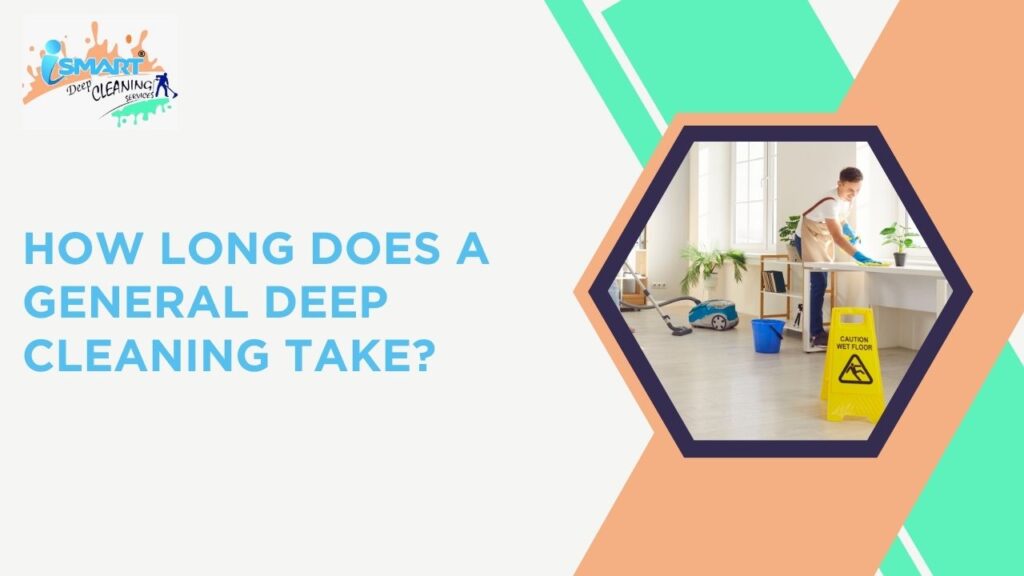
Deep cleaning is different from regular cleaning. Regular cleaning might mean sweeping, dusting, or wiping surfaces quickly. Deep cleaning goes much further. It cleans every corner of your home, including the places we do not usually see or touch. This includes floors, walls, windows, kitchen cabinets, bathrooms, furniture, vents, and sometimes even carpets. It is a very detailed and thorough cleaning. Many people often ask, How Long Does a General Deep Cleaning Take? The answer depends on several important factors. 1. Size of Your Home First, the size of your home matters a lot. A small apartment with one or two rooms may take just a few hours. A bigger house with many rooms, bathrooms, and floors will take longer. The more space that needs cleaning, the more time it will take. 2. Condition of Your Home Second, the condition of your home is very important. If your home is very messy or dirty, deep cleaning will take more time. For example, if dust has collected in vents, carpets are dirty, or bathrooms have stains, the cleaners will need extra time to scrub, wash, and clean everything properly. On the other hand, if the house is already somewhat tidy, the cleaning can be completed faster. 3. Number of Cleaners Third, the number of people cleaning affects the total time. A team of two or three cleaners can finish a home much faster than one person working alone. Many professional cleaning services send larger teams for bigger homes to save time. Average Time for Deep Cleaning On average, here is how long deep cleaning may take: Small homes or apartments: 2 to 4 hours Medium-sized homes: 4 to 6 hours Large homes: 6 to 8 hours or even a full day Why Deep Cleaning Takes More Time Deep cleaning takes longer than regular cleaning because it is extremely detailed. Cleaners dust, scrub, polish, and disinfect every surface carefully. They clean kitchen appliances, sinks, and cabinets. Bathrooms are washed from top to bottom, including tiles, toilets, and showers. Floors are scrubbed thoroughly, and furniture is cleaned under and behind it. In some cases, vents, fans, and carpets are also cleaned. Is Deep Cleaning Worth It? Even though it takes more time, deep cleaning is absolutely worth it. It makes your home look fresh, healthy, and very clean. It removes dust, dirt, germs, and allergens that may affect your health. It is especially helpful for families with allergies, kids, or pets. A clean home feels more comfortable and relaxing. Conclusion So, How Long Does a General Deep Cleaning Take? It depends on your home’s size, how messy it is, and how many cleaners are working. A small home may take a few hours, a medium-sized home may take half a day, and a large home may take most of the day. Deep cleaning is more than just tidying up. It is about making every corner shine. Even though it takes time, the result is a healthy, fresh, and beautiful home that is safe for you and your family.
What Should I Do Before Deep Cleaning?

Deep cleaning is a big cleaning. It is not like normal daily cleaning. The cleaning team will clean fans, walls, kitchen, bathroom, floors, and even small corners. They will clean behind beds and sofas. They will remove dust and dirt from places we do not clean every day. There are a few simple things you should do before deep cleaning starts. This will help the team clean better and faster. Pick Up Small Things First, pick up small items from the floor before deep cleaning day. Put away toys, shoes, clothes, and bags. Do not leave things on the floor. If the floor is empty, they can clean properly. Also remove things from tables and counters. Clear the dining table. Clear the kitchen counter. Clear the bathroom shelf. When surfaces are empty, cleaning becomes easy. Keep Important Things Safe Keep your important things in a safe place before deep cleaning begins. Put away money, jewelry, papers, and chargers. Keep medicines in a drawer. This is just to be safe. The cleaning team may move things while cleaning. So it is better to keep your special items safe. Move Light Furniture If You Can If you can, move small chairs or stools. This will help the team clean behind them. Do not move heavy things if you cannot. The cleaners will help with heavy furniture. Even moving small things can make a big difference. Tell Them About Dirty Areas If there is a big stain, tell them before deep cleaning starts. If the bathroom has mold, tell them. If the kitchen has a lot of grease, tell them. When you tell them early, they can bring the right tools and cleaning liquids. This helps them do a better job. Make Sure Water and Power Are Ready Deep cleaning needs water and electricity. Machines need power. Make sure plug points are working. Make sure water is coming properly. If there is no water or power, cleaning will stop. So check everything before deep cleaning day. Keep Pets and Kids Safe Cleaning machines can be loud. Cleaning liquids can be strong. Keep small children away from the cleaning area. If you have pets, keep them in one room. Or ask someone to take care of them. This keeps everyone safe. Plan Your Time Deep cleaning takes time. It can take many hours. Sometimes it takes half a day. Sometimes a full day. Plan your day. You can stay at home or go out for some time. Just be ready if they need to ask something. Final Words You do not need to clean your house before deep cleaning. That is their job. Just remove clutter and small items. When you prepare your home properly before deep cleaning, the cleaning team can work fast and clean deeply. Your home will look fresh, bright, and neat. A little preparation makes a big difference.
Best Way to Clean Dirty Tile Floors Naturally

Cleaning dirty tiled surfaces in your house can turn your home from an uninviting environment into an attractive place! Accumulations of dirt, dust, mud, food spills, and hair from pets accumulate over time on tile floors as people walk and come into and leave from different rooms of their home. People often think that if they want to properly clean the floors of their home, they need to use strong products loaded with chemicals. This is not true! The easiest way to clean tile floors naturally can usually be accomplished using natural ingredients found around the house that are safe to do so, are inexpensive, won’t harm your family or pets, don’t leave behind any residue, and produce vibrant cleaning results. Causes of Dirty Tiles? Tile floors are durable and long-lasting. However, they tend to attract dirt very easily and quickly. Shoes track in dust, dirt and mud from outside. Also, spills from cooking oil, drinks and food can all hit the floor. As time passes, the grout between your tiles will become black and have stains on it. If you do not clean your tiles on a regular basis, they will look old and feel sticky or tacky. Regularly cleaning tiles will keep their shine and cleanliness. Using the right way to clean tile floors naturally will help you maintain them easily. Start with Sweeping Before you get started on mopping your tile, the first step is to sweep the entire floor first. When you sweep the floor first, you will remove any debris or dust before mopping. If you mop without sweeping, you are only going to spread that dirt around instead of cleaning it up. The dirt is only going to get mopped around and make your floor look bad. Sweeping will allow for easier cleaning in the following steps and is an important part of the best way to clean tile floors naturally. Making a Natural Cleaning Solution There is no need to purchase expensive chemical cleaners to wash your tiles. You can simply use a mixture of vinegar and warm water. You will want to put one cup of white vinegar into a bucket with warm water; this mixture will work wonderfully to lift dirt, grease, and unpleasant odors off your tiles. Your mixture will also be safe for children and pets. If you want to have a nice scent to your mixture, feel free to add some lemon juice to the warm water before cleaning your floors with the mixture. This simple mixture is a perfect way to clean tile floors naturally. How to Properly Mop Floors After mixing your cleaning supplies, dip mop into bucket and wring out excess liquid, then begin mopping floor. Work in small sections at a time, being careful not to saturate the surface as wet surfaces may slip. Make sure to frequently rinse your mop so you don’t redeposit dirty water throughout your area. Mopping in a slow and careful manner will yield the best results and is an essential step in the way to clean tile floors naturally. How to Remove Stubborn Stains from Tile Floors If tile has stubborn stains that do not clean with mopping, you can use baking soda to help remove the stain. Simply sprinkle some baking soda over stained area, add a few drops of water and scrub using a soft brush. The baking soda will lift the stain from tile without damaging tile surface. Baking soda also works great on dirty grout lines and is another effective way to clean tile floors naturally. How to Help Your Floors Dry After you have finished mopping and scrubbing, give your floor time to completely dry. Open windows or use fans to speed up the process and to provide additional drying. If you want additional shine on your floor, wipe it down with clean, dry clothes. A dry floor will look much brighter and cleaner than a wet floor! Conclusion Cleaning tile floors does not have to be hard or costly. With a little time and simple natural cleaners, any dirty floor can look new again. The best way to clean tile floors naturally is to sweep often, mop with vinegar and water, and use baking soda for tough stains. These easy steps keep your home clean, safe, and healthy. When your floors are clean, your whole house feels fresh and happy.