How Deep Cleaning Eliminates Dust Mites and Pet Dander
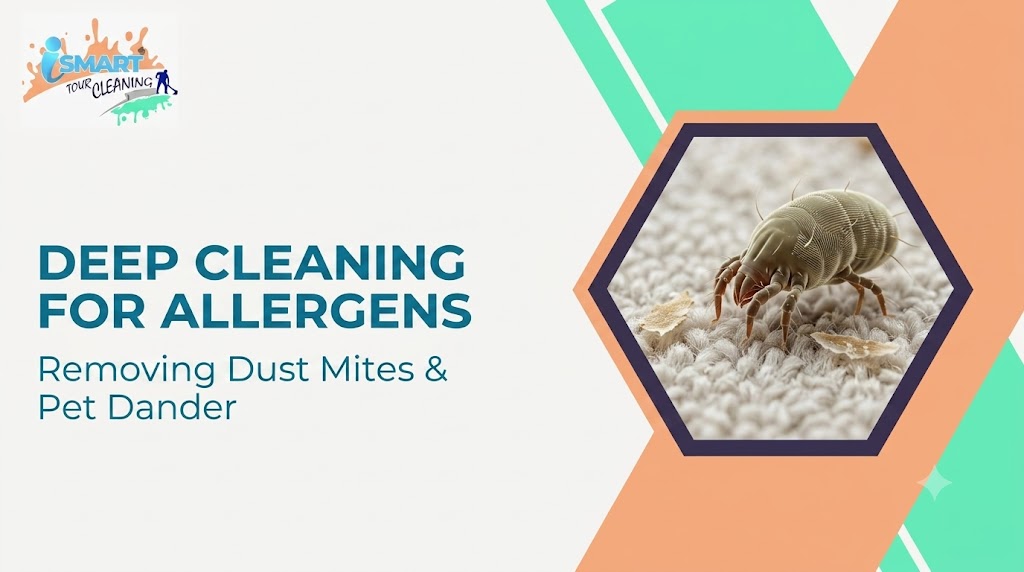
If you find yourself sneezing, waking up with a stuffy nose, or dealing with itchy eyes, you are likely sharing your home with millions of invisible guests. Dust mites and pet dander are the two leading triggers for indoor allergies and asthma. While standard surface dusting might make your home look tidy, it barely scratches the surface of these microscopic irritants. To truly clear the air, you need to understand how deep cleaning breaks the lifecycle of dust mites and strips away stubborn pet dander. The Hidden Culprits: What Are We Fighting? Before understanding the remedy, it helps to know what we are up against: Dust Mites: These are microscopic, insect-like pests that thrive in warm, humid environments. They don’t bite; instead, they feed on dead human skin cells. The actual allergy trigger isn’t the mite itself, but a protein found in their waste particles. Pet Dander: This consists of tiny, even microscopic, flecks of skin shed by cats, dogs, rodents, and birds. Because it is so light and jagged in shape, it floats in the air easily and sticks to texturized surfaces like glue. Regular tidying doesn’t bother them. However, a targeted deep cleaning completely alters their environment. How Deep Cleaning Works Its Magic Unlike a quick Sunday vacuum, deep cleaning goes into the places where allergens hide, breed, and settle. Here is exactly how the process neutralizes them: 1. High Heat Kills Dust Mite Populations Dust mites are hardy, but they cannot survive extreme temperatures. Deep cleaning involves washing all bedding, curtains, and removable cushion covers in hot water (at least 130°F or 60°C). For carpets and heavy upholstery, professional steam cleaning reaches temperatures high enough to instantly kill mites and neutralize the proteins in their waste. 2. High-Efficiency Extraction Removes Sticky Dander Pet dander is notoriously difficult to get rid of because it has a static charge that helps it cling to fibers. Standard vacuuming often just stirs these particles back into the air. During a deep cleaning, the use of a vacuum equipped with a HEPA (High-Efficiency Particulate Air) filter ensures that 99.97% of those microscopic particles are trapped inside the machine rather than spit back out into your breathing zone. 3. Wiping Down Vertical and Overlooked Surfaces Dander and dust mite waste don’t just stay on the floor. They float and settle on top of ceiling fan blades, baseboards, door frames, and walls. A thorough deep cleaning includes wiping down these vertical and high-up surfaces with damp microfiber cloths. Using a damp cloth is vital—it traps the allergens instead of launching them back into the air. 4. Sanitizing the Mattress (The Ultimate Mite Hotspot) The average mattress can house anywhere from 100,000 to 10 million dust mites because it provides the perfect mix of warmth, humidity, and food (our shed skin). A proper deep cleaning protocol involves vacuuming the mattress with a HEPA vacuum, treating it with baking soda to draw out moisture, or using a UV-C sanitizing wand to destroy the mites’ DNA. The Bottom Line You cannot completely eliminate dust mites or pet dander from a lived-in home, but you can drastically lower their numbers. Where regular cleaning keeps up appearances, periodic deep cleaning acts as a hard reset for your indoor air quality, physically removing the microscopic triggers that compromise your health.
Better Ways to Clean Without Wasting Paper: Your Guide to Eco-Friendly Cleaning
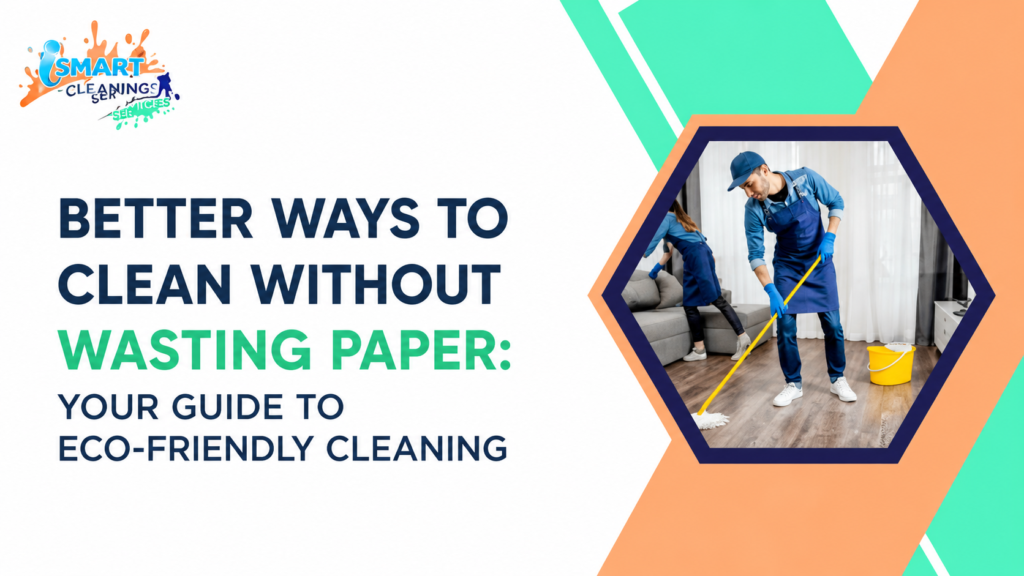
We’ve all been there: a minor kitchen spill happens, and before you know it, you’ve ripped off five or six paper towels to wipe it up. While paper towels are incredibly convenient, they are a major source of household waste and a constant drain on your shopping budget. Transitioning to an eco-friendly cleaning routine doesn’t mean you have to sacrifice a clean home. In fact, switching to sustainable alternatives can actually make your household chores faster, cheaper, and much more effective. If you want to build a greener home without drowning in dirty laundry or dealing with streaky counters, here are the best ways to wipe out your paper habit. 1. Upgrade to Microfiber Cloths If you buy only one alternative, make it microfiber. Unlike paper towels, which simply push dirt around until they get soaked, microfiber cloths are woven with millions of tiny synthetic fibers that physically grab and lift away dirt, grease, and bacteria. Best for: Mirrors, windows, stainless steel, and dusty baseboards. The Perk: You can use them damp with just plain water to achieve a streak-free shine on glass, completely eliminating the need for extra sprays. 2. Try Swedish Dishcloths Think of a Swedish dishcloth as a cross between a sponge and a washcloth. Made from natural wood pulp and cotton, these stiff sheets soften up completely when wet. A single Swedish dishcloth can absorb up to 20 times its weight in liquid and can replace up to 17 rolls of paper towels over its lifespan. Adopting these tools is a simple step toward sustainable, eco-friendly cleaning that requires zero extra effort. Best for: Wiping down greasy countertops, soaking up large liquid spills, and washing dishes. The Perk: They dry incredibly fast, which means they don’t breed bacteria or develop that musty “sour sponge” smell. 3. Invest in Cotton Flannel “Unpaper” Towels If you love the convenience of grabbing a sheet from a roll, reusable paper towels are your best bet. These are typically made from cotton flannel or bamboo cotton and are cut into squares. Because of the natural texture of the fabric, they naturally cling to one another, allowing you to roll them right back onto your old paper towel holder. Best for: Wiping sticky hands and faces, cleaning up dinner tables, and daily counter wipes. The Perk: They give you the exact same user experience as disposables, making it an easy habit change for kids and partners. 4. Give Old T-Shirts and Linens a Second Life Before you throw away old cotton t-shirts, frayed bath towels, or worn-out flannel sheets, cut them into rag-sized squares. Cotton rags cost absolutely nothing and perform beautifully for heavy-duty scrubbing. Best for: Gross jobs you might be hesitant to use a nice cloth for, like wiping down a greasy bike chain, cleaning inside the oven, or wiping up pet accidents. The Perk: Since they are free upcycled rags, you won’t feel guilty tossing them in the trash if they get ruined by heavy stains. How to Manage the Laundry Without the Hassle The number one objection to ditching paper towels is the extra laundry. To keep your system simple and hygienic, try these three rules: Keep a dedicated bin: Place a small, breathable basket or mesh wet-bag under the kitchen sink specifically for dirty cleaning cloths. Wash them right: Wash your cleaning rags on a hot cycle with your regular detergent. Crucial tip: Skip the fabric softener. Fabric softener coats fibers in a thin layer of wax, which completely destroys their absorbency. Dry completely: Hang them up or tumble dry them thoroughly before putting them away to prevent mildew. Making the switch to paperless cleaning takes just a small shift in daily habits, but the payoff is immediate. By committing to eco-friendly cleaning, you’ll cut down your weekly trash, keep money in your wallet, and enjoy a deeper, more effective clean.
Top Areas People Forget to Clean at Home
People generally in the home assume that everything is clean, but there are many top areas people forget to clean at home, usually that collect dust particles and germs over a period of time. These top areas can affect your healthy lifestyle and risk of reducing hygiene if neglected. : Let’s explore most of the top areas people ignore normally and the cleaning process 1. Behind and Under Furniture: Large furniture like sofas, beds, TV cabinets, and storage often collects dust particles and food crumbs from outside. These areas collect dirt for months and affect quality of life. 2. Ceiling Fans and Light Fixtures: Dust is formed on the fan blades and light fixtures. All the dust particles spread throughout the room when it is ON. Clean the fan blade with a smooth cloth frequently 3. Door Frames, Handles & Switchboards, Underneath the carpets: These are the areas frequently used but less cleaned. Replace the carpets every week. 4. Kitchen sink area and sponges: All the germs and bacteria will spread in the moist area. Keep dry always under the sink area and replace the sponge. 5. Remote controls, mobiles, and tablets: These objects have easy access to get dirt, so they must be kept clean all the time, sprinkling the disinfectants to maintain cleanliness. 6. Beds and undermattresses: Due to the direct contact, there is a huge chance of getting dirt, and collection of germs is possible. 7. Bathroom corners and exhaust fans: These hidden places hold the moisture and bacteria. Regular cleaning is mandatory. 8. Washing machines and dishwashers: Every week once all the areas under the washing machine and dishwashers must be kept clean where the bacteria hold due to moisture. Why Cleaning Hidden Areas Matters: Neglecting the top areas people forget to clean at home may cause the following:: Allergies and respiratory issues Bacterial growth Bad odors Reduced indoor air quality Reduction of hygiene Unhealthy lifestyle Checklist for deep cleaning every week and use the proper disinfectants and schedule particular times, particularly these top areas listed above
How Deep Cleaning improves Indoor Air Quality
Introduction: While most people concentrate on cleanliness, the air you inhale determines whether or not you have a healthy lifestyle. Learning about the benefits of deep cleaning improves indoor air quality will enable you to maintain a safe and healthy environment. What Really Determines Indoor Air Quality at Your Home? So lets see how Indoor air contamination results from different sources, including: Dust and dirt accumulation. Fungi and mildew. Smoke and grease from cooking. Lack of proper ventilation. Exhaust air from the sink. Why Does Deep Cleaning improves Air Quality Better? 1. Dust and Allergy Elimination: Dust is removed from carpets, furniture, curtains, crevices, and also from shoes through deep cleaning. As It leads to fewer pollutants dispersing into the air. 2. Elimination of Dust Mites: Bed, mattress, and upholstery can have dust mites so deeper cleaning in a proper time will improve air quality, moreover leading to quality sleep and no respiratory problems. 3. Avoiding Mold Formation: Areas that can accumulate moisture like bathrooms, kitchens and also washing machines etc. can develop molds. Through deep cleaning, can minimize the possibility of having infections. 4. Improvement of Ventilation: Ventilation areas, like fans and vents, are should be cleaning because all the dirt particles from outside air holds . This allows for better circulation of fresh air. 5. Bacteria and Odor Reduction: By doing deep cleaning, you eliminate odor-causing bacteria.As a result Fresher air indoors. Health Benefits of Deep cleaning Improved Indoor Air Quality Once you start focusing on improving your indoor air quality through deep cleaning, you will inevitably be healthier too. Decreased instances of allergies and asthma attacks Less likelihood of developing respiratory issues Better sleep quality Increased well-being and happiness Peace of mind and In addition to that good ambiance indoors Consistency is crucial when it comes to keeping your indoor air clean. Tips for Improving Indoor Air Quality Use HEPA filters with vacuum cleaners Ensure that you keep windows open for ventilation Washing of bedding on a regular basis Do not have too much humidity inside rooms Air filters should be cleaned regularly Conclusion: It is vital to know how deep cleaning improves indoor air quality through deep cleaning. It not only helps in staying clean but makes your indoor air healthier to breathe. Therefore Deep cleaning along with effective ventilation can make a big difference to your indoor air.
Hidden germs in your home you are ignoring
Most of the houses do regular cleaning in daily routine, thinking that it’s very clean, but hidden germs in your home you are ignoring are neglected, but they can cause damage to the healthy lifestyle soon. Hidden germs are located not in the bathroom; In fact they locate in the kitchen. Kitchen and dining place: Kitchen sink and drain: There is more chance to produce more germs due to the moist environment, as a result leading to grow some bacteria. Kitchen sponges and dish rags: Often there are more germs holding in this place than in the bathroom toilet seat due to moisture and food particles staying in the same place. Refrigerator handles: Kids with dirty hands gives more space to germs and as a result increasing the cross-contamination of diseases. Grocery bags: Grocery bags from the shops that carry food items and meat will collect some bacteria must replace frequently. Frequently touched things: Remote controllers and game controllers: These objects touched frequently and less clean as they contain oil and food particles on them. Light switches: Most touching and are less clean places and increase the chance of germs spreading from house members to guests. Phones, tablets, and laptops: Most of the people touches these things coming from the washroom, and if not clean and forget, therfore lead to germs. Throw pillows and blankets: Causing many hidden germs and hair dandruff and oils to get spreading on pillows; Have to wash and also change frequently. The Bathroom: Toothbrush holder: Water drizzles and stores in it and allows bacteria. Bathroom door handle: Re-contaminates the hand immediately after washing so the germs will spread. There are several places like shoe racks in the foyer area, playing with toys and pets as well, as you tend to change the habits and maintain a healthy lifestyle and replace them frequently, so there is chance of disinfection. How to Eliminate Hidden Germs Effectively To maintain a healthy home, follow these simple steps: Clean immediately and frequently touching surfaces regularly Use proper germicide, sanitizer, or antimicrobial instead of just water Keep areas dry to prevent bacterial growth. Maintain healthy habits like washing hands with sanitizers and liquid soaps after playing with toys and pets. Conclusion: The fact is hidden germs in your home you are ignoring will affect your healthy lifestyle, so before you realize this, check all the areas mentioned above. Hence, a truly clean home is not what you can see; it’s all about what you can’t see.
How Often Should You Deep Clean Your Home?
Deep cleaning at home goes beyond the daily cleaning process and daily chores; it generally targets weekly or alternate days and it will keeps the target of hidden dirt, bacteria, and dust formed areas in focus where the deep cleaning is often not done.Therefore, how often should you deep clean your home? The solution is depend on the size of the house, daily routine, and habits of individuals living in the house. However, these are the guidelines to follow: Living room: Deep cleaning for living rooms will have to do for every 3-4 months. For deep cleaning areas like under and behind furniture, vaccuming upholstery and also washing textile textures like curtains and carpets. Bedroom: Bedrooms generally will have to get deep cleaning every 4-6 months. Top-to-bottom sequence of the room, including curtains and carpets, ceilings, vents, windows, and shelves. Kitchen: The kitchen will have to get deep cleaning for every 1-3 months. In addition to this all the sink areas and cabinet storages have to often clean. Bathroom: Bathrooms will have to get deep cleaning for every 1-2 months. Applying scrub and washing the grout with vinegar. Floor tiles have to get wash neatly, and corners of bathrooms, and exhaust fans maintain clean. Factors That Affect How Often You Should Deep Clean: Pets: Areas where pets sleep and eat must be kept clean, and surfaces should have to be clear due to fur and odors germs will spread. Kids: Due to kids, the chance of mess and dirt is high, because of spills and germs, Allergies: Places are get surfaced with dust and allergens require frequent removal. Urban Areas: Urban places must have to be kept clean every time, as they are near to dusty areas and pollution. Quick fix and time to clean: There is no particular time for deep cleaning. A bad odor coming from house. Ceilings of Fan blades with dirt and dust. Any Allergic symptoms are observed, then it’s a sign for deep cleaning. Conclusion: So how often should you deep clean your home? I think you got the solution to this task by the above guidelines given. Normally every household have to include 3-6 months on average; deep cleaning is mandatory, and to keep consistency is ideal. If it’s done regularly, then it will take less time to maintain and clean the rooms since the chance of getting dirt will be less.
How deep cleaning can kill bacteria ?
Keeping your home or workplace clean is not only about appearance,it is also about health and also your responsebility.Regular cleaning removes visible dust and dirty particles How Deep Cleaning Kills Bacteria but deep cleaning goes much further by targeting hidden germs and also bacteria and contaminants that can build up over time.child safe deep cleaning services Professional deep cleaning helps create a bio chemical so you clean a fresh and more hygienic environment for your family or children What is a deep cleaning ? Deep cleaning is an intensive cleaning process that focuses on duty areas like offices , homes,and also schools often missed during routine cleaning. Add bio chemicals, clean your floor dust very hard particles to simply remove corners and furniture and also kitchens and bathrooms. Unlike regular cleaning your home and your offices are designed to remove prime homes where bacteria commonly grows . How deep cleaning kill bacteria 1.Removes dirty where bacteria Hide How Deep Cleaning Kills Bacteria Bacteria create a bad smell, food residue and moisture. Deep cleaning removes these sources through scrubbing and washing and cleaning and removing the bacteria making it difficult for germs to survive. 2.cleans hidden and hard areas Places behind appliances under sofas and inside corners and also tile grout often collect germs in your home. Deep cleaning services target these duty areas like bathrooms and some unwanted areas to eliminate not build the bacteria 3. uses disinfectants and sanitizers Professional deep cleaning uses effective cleaning agents that help kill duty bacterias on surfaces like sink and floor and also bathroom and hall,bedrooms. 4. improves indoor air quality Clean your sofas and some duty areas like tales fans and also AC corner areas. Deep cleaning these surfaces helps improve the fresh air and fresh breath. 5.reduces moisture and mold growth Wet environment areas grow bacteria like bathrooms, kitchens and wash areas are deeply cleaned and dried properly to reduce harmful bacteria Conclusion Deep cleaning is an essential step in maintaining a healthy family and hygienic environment. It goes beyond regular cleaning by removing hidden dirty corners and using high sanitizing surface areas and helping kill harmful bacteria that do not spread bad bacterias. How Deep Cleaning Kills Bacteria to sofas and floors, deep cleaning ensures every corner of your space is thoroughly cleaned and fresh and also Whether for your home or workplace and homes regular deep cleaning creates a safer fresher and more comfortable atmosphere for everyone fresh air your family.child safe deep cleaning services Investing in professional deep cleaning services is a ismart deepcleaning is the better choice to deep cleaning your home and offices
Floor Stain Removal In Vijayawada: Everything You Need to Know
Tiles are a great addition to many homes because they add beauty and give a clean appearance. However, stains can easily form on tiles. These stains may come from spills such as juice, coffee, or tea, dirt from shoes, grease, or food crumbs. When stains stay for a long time, they make the floor look dirty even after regular cleaning. While many homeowners search for professional floor stain removal in Vijayawada, there are also several simple methods you can try at home to remove tile stains easily. 1. Soap and Water The easiest way to remove most stains from tiles is by using warm water mixed with soap. Soak a soft cloth or sponge in soapy water and gently scrub the stained area. Many small stains, such as dirt or juice spills, can be removed quickly using this method. 2. Baking Soda Paste For tougher stains like grease or old food stains, baking soda works very well. Mix baking soda with a small amount of water to create a thick paste. Apply the paste to the stain and let it sit for about 10 to 15 minutes. After that, gently scrub the area in circular motions using a soft cloth or brush. Baking soda is safe for most tiles and helps remove sticky or old stains effectively. 3. Vinegar Solution White vinegar is a powerful natural cleaner. Mix equal parts of water and vinegar in a spray bottle. Spray the solution directly on the stain and leave it for a few minutes. Then wipe it clean with a cloth. Vinegar works especially well for sticky stains caused by food or drinks. 4. Lemon Juice Lemon juice is another natural cleaning solution. It works well on colored stains caused by coffee, juice, or tea. Squeeze fresh lemon juice onto the stain and wait for 5 to 10 minutes. Then gently scrub the area. Lemon also leaves a fresh and pleasant smell after cleaning. 5. Use a Soft Brush Some stains may require a little extra scrubbing. A soft toothbrush or a soft cleaning brush can help remove stubborn stains. Always scrub in small circular motions. Avoid using hard brushes or metal scrubbers because they may scratch the tiles. 6. Hydrogen Peroxide for Dark Stains For mold, mildew, or very dark stains, hydrogen peroxide can be useful. Apply a small amount on the stain and let it sit for about 10 minutes. Then gently scrub and rinse the area. Hydrogen peroxide is strong but safe for tiles when used carefully. 7. Club Soda Club soda works surprisingly well for stains caused by wine, soda, or juice. Pour a small amount directly onto the stain and allow it to fizz for a few minutes. Then wipe it clean with a cloth. This method helps lift stains without heavy scrubbing. 8. Toothpaste Non-gel toothpaste can help remove small stains from tiles. Apply a small amount to the stain and rub gently with a soft cloth. After scrubbing, rinse the area with water. Toothpaste is mild and helps remove marks without damaging the tile surface. 9. Rinse and Dry After cleaning any stain, always rinse the tile with clean water. Then dry the surface with a soft cloth. This prevents water spots and keeps the tiles looking shiny and fresh. 10. Prevent Future Stains Wipe spills immediately. Use coasters, mats, or trays in areas where food and drinks are common. Clean tiles regularly so stains do not build up. Conclusion By using these simple methods, your tiles can stay clean and shiny for a long time. Even stubborn stains can be removed with the right cleaning technique. However, if stains are very old or difficult to remove, professional floor stain removal in Vijayawada services can help restore your floors and keep them looking fresh and spotless.
Everything you need to know about Apartment Cleaning in Vijayawada
Apartment cleaning in Vijayawada is important for every family. A clean home makes people feel happy and relaxed. When the house is tidy and fresh, we can sit, eat, and sleep peacefully. A clean apartment keeps parents, children, and grandparents safe. It protects everyone from dust and germs and helps the family live a healthy and comfortable life. Dust in Vijayawada Vijayawada is a busy city with many cars, bikes, and buses on the roads. Because of this, there is often dust in the air. During summer the weather becomes very hot and the wind carries dust everywhere. When doors and windows are open, dust easily enters the home. It settles on the floor, sofa, tables, and furniture. If we do not clean regularly, the dust keeps building up inside the house. Germs and Illness Dust and dirt can bring germs. Germs are very tiny and we cannot see them with our eyes. However, they can still make people sick. They can cause problems such as fever, cough, or stomach pain. Cleaning the home regularly helps remove these germs. Sweeping floors and wiping surfaces keeps the house healthier for everyone. A Clean Home for Children Children need a clean place to grow and play. Kids often sit and play on the floor. They touch toys, walls, and furniture. If the home is dirty, they can easily fall sick. Parents feel worried when their children are ill. A clean home helps children stay healthy, active, and strong. Safety for Elderly People Older family members also need a clean and safe home. Wet or slippery floors can cause them to slip and fall. Dust can also make breathing difficult for some elderly people. Keeping the house clean helps grandparents stay safe and comfortable. Keeping the Kitchen Clean The kitchen is where we prepare food, so it should always stay clean. If the kitchen becomes dirty, food can become unsafe. Insects such as ants and flies may come near uncovered food. Cleaning the kitchen regularly, washing dishes, and keeping the sink tidy helps prevent bad smells and keeps food safe. Bathroom Cleaning Bathrooms also need regular cleaning. A dirty bathroom can smell unpleasant and allow germs to grow. Cleaning the bathroom often keeps it fresh and hygienic. Keeping the floor dry also helps prevent slips and accidents. Cleaning the Balcony Balconies collect dust, leaves, and dirt very quickly in Vijayawada. Cleaning the balcony regularly helps keep the area neat. It also allows fresh air to enter the home and makes the house feel cooler and more pleasant. Deep Cleaning Along with daily cleaning, deep cleaning is also necessary from time to time. Deep cleaning means cleaning areas that are often missed, such as fans, windows, doors, corners, and spaces under beds or behind cupboards. These places collect hidden dust. Deep cleaning keeps the entire house fresh and spotless. Conclusion Cleaning makes a home look beautiful and welcoming. When guests visit, they feel comfortable in a neat house. The family also feels proud of their home. Most importantly, a clean apartment supports a healthy and safe lifestyle. A clean home truly is a happy home.
Deep Cleaning for Indoor Air Quality: Does It Really Help?
We spend a lot of our time indoors, whether at home, in the office, or in other indoor spaces. However, have you ever thought about how clean the air inside really is? Indoor air can hold dust, allergens, bacteria, and many other harmful toxins that can negatively affect your health. This is where deep cleaning for indoor air quality becomes important. Professional deep cleaning services help remove hidden dust, mould, and pollutants that regular cleaning often misses. What Is Deep Cleaning? Deep cleaning involves much more than basic sweeping and mopping. It includes complete cleaning of surfaces, edges, and hidden areas in a home or commercial space. Professionals use specialized tools and products designed to remove dust, dirt, mould, and allergens. This process covers carpets, curtains, vents, ducts, and hard-to-reach areas such as behind appliances and under furniture. Because of this, deep cleaning for indoor air quality helps create a healthier indoor environment. How Deep Cleaning for Indoor Air Quality Works Indoor air can become contaminated by dust mites, pet dander, pollen, mold spores, and bacteria. These particles float in the air and may trigger allergies, asthma, and breathing problems. Fortunately, deep cleaning reduces these pollutants in several ways: 1. Dust and Allergen Removal Vacuuming carpets, upholstery, and vents using HEPA filters traps tiny dust particles and allergens. As a result, fewer pollutants circulate in the air. 2. Mold and Bacteria Control Deep cleaning damp areas like bathrooms and kitchens reduces mold and bacteria growth. This prevents harmful spores from spreading through the air. 3. Vent and Duct Cleaning Air ducts and vents collect dust over time. Cleaning them ensures that the air flowing through your home is cleaner and fresher. 4. Better HVAC Performance Clean vents and filters improve HVAC efficiency. Consequently, your heating and cooling systems spread less dust throughout the space. Health Benefits of Deep Cleaning for Indoor Air Quality There are many health benefits to improving indoor air quality. Cleaner air can reduce allergy flare-ups and asthma symptoms. In addition, it creates a fresher and more comfortable living space with less coughing and sneezing. After professional services, many people notice less visible dust in their homes. Therefore, they feel their air quality has significantly improved. How Often Should You Schedule Deep Cleaning? The frequency depends on your location and lifestyle. For example, homes in urban areas or homes with pets and children may require more frequent cleaning. Most households benefit from professional cleaning every three months. Meanwhile, commercial spaces typically schedule services every six months to once a year. Conclusion Yes, professional cleaning services improve indoor air by removing dust, pollen, mould, and bacteria. While regular cleaning maintains surface cleanliness, deep cleaning for indoor air quality ensures long-term health and comfort benefits. If you want a fresher, healthier, and safer indoor environment, investing in professional deep cleaning is a smart decision.